

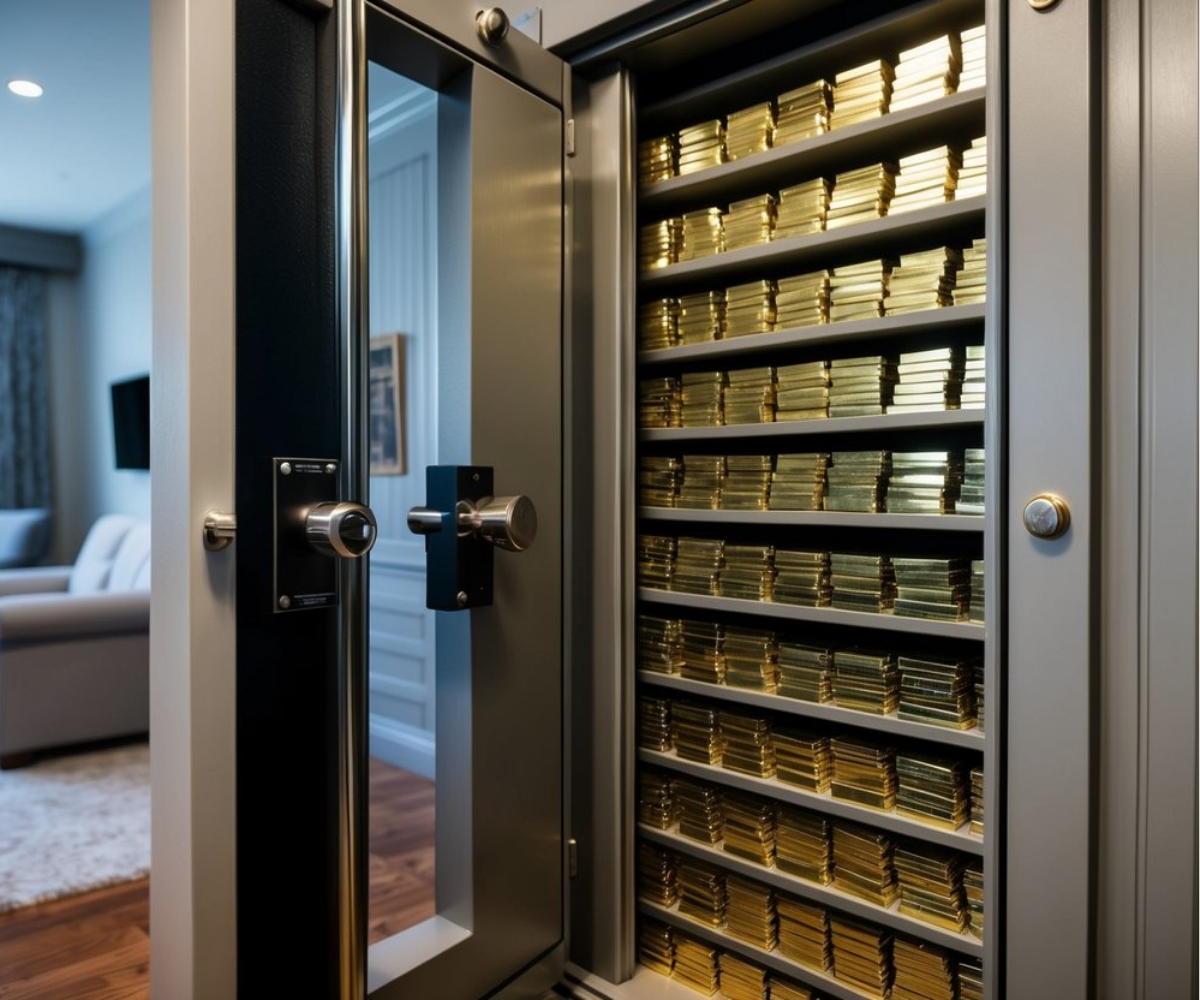
In today’s world of economic uncertainty, where inflation surges, interest rates fluctuate, and markets face growing volatility, investors are increasingly seeking safe and stable places to preserve their wealth. Among the most trusted solutions? Tangible assets — real, physical items with intrinsic value that can withstand financial storms far better than many paper-based instruments.
What Are Tangible Assets?
Tangible assets include anything physical that holds value. This encompasses items such as precious metals (gold, silver, platinum), real estate, rare art, vintage cars, high-end watches, and collectibles like wine or memorabilia. These are not reliant on the performance of financial markets. Instead, they derive value from scarcity, demand, utility, and historical appreciation.
Why the Shift Towards Tangible Assets?
Several factors are driving this renewed interest:
- Economic Instability: When traditional investments like stocks and bonds turn volatile, physical assets frequently hold or even increase in value.
- Inflation Hedge: Precious metals and real estate have historically outpaced inflation. As the purchasing power of currency declines, the value of gold or a well-positioned property can rise significantly.
- Global Uncertainty: Wars, pandemics, and geopolitical shifts create anxiety in financial markets. Tangible assets provide a sense of security and control.
- Diversification: Savvy investors avoid concentrating all their wealth in one place. Physical assets offer meaningful diversification across asset classes.
Real Examples of Tangible Asset Growth
- Gold: In the wake of global crises, gold frequently experiences significant surges. In 2020, amid the COVID-19 pandemic, gold reached record all-time highs.
- Luxury Real Estate: Waterfront properties, urban penthouses, and countryside estates are increasingly regarded as both lifestyle assets and sound financial instruments.
- Art & Collectibles: The fine art market continues to expand, with rare pieces selling for millions. Certain art funds have even outperformed the S&P 500 in recent years.
Who Should Consider Tangible Assets?
High-net-worth individuals, family offices, collectors, and even everyday investors seeking a reliable hedge should explore tangible investments. They are particularly well-suited for those who:
- Prioritize long-term wealth preservation
- Want to transfer assets across generations
- Prefer holdings outside of digital and banking systems
Key Considerations Before Investing
- Storage & Security: Precious metals and collectibles require professional and secure storage solutions.
- Authenticity & Provenance: Ensure all items are genuine and fully documented to safeguard their value.
- Liquidity: Not all physical assets are easily convertible to cash. Understanding the resale market is essential.
- Insurance: Adequate coverage is critical to protect against theft, loss, or damage.
Final Thoughts
In times of economic turbulence, tangible assets offer a reassuring foundation. They are not merely investments — they are often passion projects, generational legacies, and symbols of enduring security. As global markets face increasing unpredictability, the timeless value of the physical world becomes not just appealing — but essential.
Now, more than ever, may be the right moment to invest in what you can touch, hold, and pass down.